Ken was a good friend who I called the gentle giant. He was very gifted and loved gardening. He made a small water fountain for his balcony and created a flower garden around the summer house at The Sussex Beacon when it first opened. He also unveiled the first AIDS Memorial in 1996 which can still be seen at the base of a silver birch tree adjacent to the entrance doors of the Brighthelm Centre.
His hands were deformed by the Arthritis he'd had for many years. When he requested an operation to straighten them, he was shockingly told that it wasn't worthwhile because of his AIDS diagnosis which hurt him deeply. A few years later he contributed an article about himself titled ‘I’m Still Here’ which was on the front page of the Sussex Beacon newsletter. He was always very out about his status even in those days when so much stigma was around, and he created his own support.
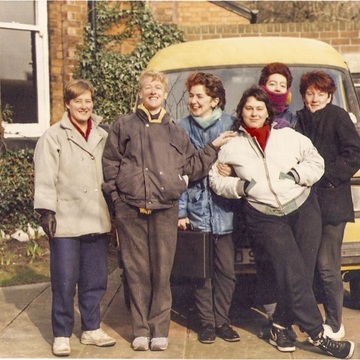
One late afternoon I was ‘kidnapped’ by Ken and six others when buying a tin of Whiskas. Open Door had been given eight tickets for an Elton John concert at Earls Court. The boyz picked me up and carried me to a waiting Bedford minibus and off we went. I arrived bursting for the loo, but WOW, what a night it was. We had fantastic seats with wheelchair access.
I still miss Ken because we had so many good times together. I was completely gutted when he crossed the Rainbow Bridge.
Tarik tells Roni and David which are the objects that would best tell his personal queer story.
Tarik Elmoutawakil is an artist, producer, and co-founder of Marlborough Productions in Brighton. Tarik is also the creator of Brownton Abbey, the afro futuristic space-church themed performance party.
In his interview Tarik talks about his secret diary, teenage feelings, his creative journey, and the collective power of community.
Recorded on October 26, 2020, at The Spire, Brighton, as part of the My Queer Museum podcast series
Interview by: Roni Guetta and David Sheppeard
Editing and original music by Olive Mondegreen
Theatre programme for Brighton Cares 10th annual gala benefit for HIV/AIDS, titled 'TEN'. Contains information about performers, music performed and advertisements for local businesses.
I met Terry and his partner at the founding meeting of Our House Body Positive in 1991. Terry was a small person with a large personality, determination and a strong will. A heavy smoker, he was in his early thirties at the time and had been HIV positive for a few years. A good cook, he helped with Body Positive lunches, especially once we had use of a social services day centre on Sundays and access to a commercial kitchen. Terry was a strong debater in group discussions and could put forward his views assertively. These powerful views did not help him to find consensus in group discussions and after a few years he withdrew from political activity.
Terry became a good friend and sex buddy, and his strong personality was reflected in a strong sexual energy. This was a time when positive people often chose other positive people to have sex with - sero selection. I stayed with Terry on several occasions after I moved abroad and we stayed good friends for a long time. When he died (around 2016), he was staying at the Sussex Beacon. I regret that I kept a certain distance and could not bring myself to say goodbye even though I was aware. This probably was to protect my own emotional well-being.
Over the years his health followed the rollercoaster pattern familiar to most people living with HIV at that time. By the turn of the century, he was single and living in a large basement flat near the 7 dials which for many years was remarkable for its colourful and eye-catching display of plants and flowers in a small front garden and window boxes. Around this time, he also ran his own flower business in town.
Words by A N
This shows a two-page letter from a young lesbian about to take her A-levels after seeing the play ‘Pulp’. This poignant letter reveals how hard it was to be identified as a lesbian at this time.
This shows a letter written after the play ‘Now Wash Your Hands Please’ to South East Regional Arts Association, asking for support and recognition for Siren to enable them to reach wider audiences.
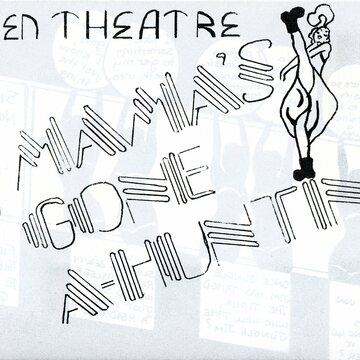
This shows a letter of appreciation written after Siren had performed ‘Mama’s Gone A’Hunting’ at Boundstone School. The letter highlights that pupils staff and friends were impressed by the …’stimulating thought provoking performance'.
Programme for 'That Guy Whittington and His Dolls'. A pantomime produced by Brighton's Alternative Pantomime, based on the story of Dick Whittington. The programme contains the cast, acts, credits and advertisements for local businesses.
The programme was designed by Syd Lewis
Photograph album featuring images from productions of the Alternative Brighton Pantomime. The panto started in 1968, as a camp, adult-only alternative to traditional pantomime.
Theatre program of The Boys in the Band by Mart Crowley and directed by Michael Padley which includes advertisements from local businesses with cast and production credits where all the proceeds from the production went towards Brighton Cares and helping support people living with HIV/ AIDS
The Brighton AIDS Memorial Exhibition was displayed at the Dorset Gardens Methodist Church and the Ledward Centre on Jubilee Street between the 24th November and the 4th December 2021
'Love is life that lasts forever'
The Brighton AIDS Memorial was proud to display images & more from the Brighton Cares AIDS Memorial exhibition which took place at the Corn Exchange in June 1993. Huge thanks must go to Tony Mann, The Sussex Police Diversity and Inclusion Team, the Jubilee Library, Printing Services (Eastbourne) & Tansleys Printers (Seaford) for helping to bring everything together.
To mark World AIDS Day 2023, the Brighton AIDS Memorial was proud to display two Brighton specific panels on loan from the UK AIDS Memorial Quilt collection. This was made possible with the generous support of the LGBTQ Workers Forum.
The panels which were both sewn in 1991, had not been seen on display in the city for over 30 years.